
How to Register on Betwgb: A Guide for Nigerian Users
🎯 Wonder how to register on Betwgb hassle-free? This guide shows Nigerian users easy steps, verification tips, securing your account, funding options, and start betting today!
Edited By
Oliver Greene
Withdrawal fees can eat a chunk out of your money if you are not careful, especially on platforms like BetWGB and Paga, which many Nigerians use daily for betting and digital payments. Both platforms charge fees when you withdraw funds, but those charges differ depending on several conditions. Understanding these fees helps you avoid surprises and manage your finances better.
BetWGB, a popular sports betting platform, typically applies withdrawal fees based on the amount you are cashing out and the method you choose. For instance, withdrawing to a local bank account usually attracts a fixed fee—around ₦100 to ₦150—but this may rise if you opt for faster or special withdrawal channels. Paga, a leading mobile payment platform, mostly charges fees that vary with withdrawal channels too. You might pay no fee for certain transfers to other Paga users, but cash withdrawals to bank accounts or agents could attract a charge between ₦50 and ₦200 depending on the amount.

Several factors affect these charges:
Withdrawal method: Bank transfer, agent cash-out, or wallet-to-wallet transfer have different fees.
Withdrawal amount: Some platforms waive fees for bigger amounts, while smaller withdrawals could cost more proportionally.
Frequency: Frequent small withdrawals might incur more fees over time than bulk withdrawals.
Tip: Always check the fee schedule before you withdraw. Even small percentages add up in the long run.
To manage and reduce withdrawal costs effectively:
Plan your withdrawals to happen less frequently but for higher amounts.
Use wallet-to-wallet transfers or Paga’s in-app transfers where fees are lower or waived.
Stay updated on any promotional offers that temporarily reduce or eliminate withdrawal fees.
For traders, young professionals, and finance workers in Nigeria, these insights help make every naira count. Knowing the fees and how to reduce them improves your cash flow, particularly in a market where the naira’s value fluctuates and generator costs add to overheads.
Understanding the fee structures on BetWGB and Paga is not just about saving a few naira; it’s about smarter money movement in a fast-changing Nigerian digital economy.
BetWGB and Paga serve distinct yet overlapping roles in Nigeria's growing digital payment space. Understanding their differences and similarities helps users make informed decisions about managing funds, particularly when it comes to withdrawal fees.
BetWGB is a sports betting platform popular across Nigeria, especially among young professionals and tech enthusiasts. It allows users to place bets on football matches and other sports, providing real-time odds and various bet types. Users fund their BetWGB wallets typically via bank transfers or USSD codes and then withdraw winnings directly into their bank accounts or mobile money wallets. The platform integrates with major Nigerian banks for smooth transactions, but fees apply depending on withdrawal methods and amounts.
For example, a Lagos-based trader who wins ₦50,000 on BetWGB might choose to withdraw via a bank transfer that has a different fee compared to a withdrawal through a USSD service. Understanding these fee differences can save users money.
Paga operates as a versatile digital payment platform and mobile money service, widely used for sending money, paying bills, and withdrawing cash across Nigeria. It supports bank transfers, agent cash-outs, and ATM withdrawals, serving millions outside and inside the cities. Paga’s network of agents often doubles as convenient points for cash withdrawals when bank branches are too far.
Unlike BetWGB, which is primarily a betting hub, Paga targets broader financial inclusion. Users can move money between Paga wallets, link bank accounts, and access services on both feature phones and smartphones.
Withdrawal needs vary but generally include accessing bet winnings on BetWGB or moving funds from a Paga wallet into physical cash. Both platforms support:
Quick cash-outs to meet daily expenses or reinvestment in businesses.
Bank account withdrawals for users who prefer traditional financial channels.
Agent or POS terminal withdrawals especially in rural or peri-urban settings.
For instance, a retail manager in Abuja might use Paga to withdraw ₦20,000 from an agent near his market, avoiding long queues in banks. Meanwhile, a tech-savvy user in Lagos might prefer BetWGB’s app to move winnings directly to their bank.
Understanding these platforms’ roles and withdrawal options sets the stage for deeper insight into how withdrawal fees affect users in real terms. This clarity helps users optimise their money movement while avoiding unnecessary charges.
Knowing the specifics of withdrawal fees on BetWGB can save you from unnecessary charges and help you plan your transactions better. BetWGB operates as a popular platform for betting and quick cashouts in Nigeria, and understanding its fee structure is essential to keep more of your winnings or funds.
BetWGB typically charges a fixed percentage of the withdrawal amount as the standard fee. For instance, withdrawing ₦10,000 might attract a charge of around ₦300 to ₦500, depending on prevailing rates. These fees cover the operational costs of processing your withdrawal and allow the platform to maintain reliable service. It’s worth highlighting that smaller withdrawals usually have a minimum fee threshold, so cashing out very small amounts can sometimes lead to proportionally higher charges.
Not all withdrawal methods on BetWGB carry the same fees. Cashing out directly to your bank account may have standard charges, but opting for mobile money withdrawals or USSD transfers could affect the amounts deducted. For example, withdrawing through a USSD code might incur slightly higher network fees owing to telecom charges, while instant wallet transfers may be faster but come with an extra cost. Choosing between these methods depends on your priority—whether speed, convenience, or minimal fees.
Users often complain about surprise fees that chip away at their funds without clear explanations. On BetWGB, some hidden fees can stem from partner banks or telecom operators that charge for certain transactions. For instance, if your withdrawal involves certain banks or mobile operators, they may levy their own charges that the platform does not control. Also, repeated withdrawals within a short period could attract additional fees or restrictions. Always check if your selected withdrawal method involves third-party costs and be mindful of the timing of your cashouts to avoid such extra charges.
To avoid surprises, it's a good practice to confirm the total deduction before finalising any withdrawal on BetWGB. This approach helps you keep better control over your money.
By understanding these withdrawal fee details on BetWGB, you can make smarter choices about when and how to cash out, especially if you’re a frequent user or trader who wants to avoid unnecessary costs. Remember, small fees can pile up over time, twisting your actual gains, so staying informed pays dividends in the long run.
Knowing Paga's withdrawal fees is key when you move money around Nigeria's bustling payment space. Since BetWGB and Paga serve similar purposes but follow different fee models, comparing both helps you avoid unnecessary charges and get better value. For example, a trader withdrawing ₦50,000 from Paga might face different costs than using BetWGB, affecting their daily cash flow and budgeting.
Paga offers several withdrawal methods, each with its distinct charges. When you withdraw directly to a linked bank account, fees tend to be flat, often ₦50 to ₦100 per transaction, regardless of size. However, withdrawing directly to a mobile money wallet may have a percentage fee, usually between 1% to 1.5%. Cash withdrawals via Paga agents typically carry a fixed fee, sometimes around ₦150, varying slightly by location. These differences matter when choosing how to access your funds efficiently.
BetWGB usually applies a tiered fee model that scales with the withdrawal amount. For example, BetWGB might charge 1.5% for amounts below ₦20,000 and reduce to 0.75% for larger sums. Paga, on the other hand, keeps some charges fixed, which can be a bigger benefit for small withdrawals. However, for higher amounts, BetWGB's sliding scale might turn out cheaper overall. Understanding these subtle contrasts can help you decide which platform aligns better with your transaction habits.
Transaction size influences fees noticeably. Small payments withdraw from Paga might attract flat fees that percentage-wise feel steep. Withdrawing ₦5,000 with a ₦100 fixed fee is high compared to the actual money moved. In contrast, larger withdrawals reduce the relative cost percentage but can still incur sizable absolute fees on both platforms. For instance, a ₦100,000 withdrawal might cost you ₦750 on BetWGB (0.75%) but still a fixed ₦150 on Paga, making BetWGB cheaper in this case.
When you often withdraw small amounts, Paga's fixed fees might add up quickly, but for bulk transactions, BetWGB’s percentage-based fees usually offer savings.
Choosing the right platform and withdrawal method based on how much you plan to withdraw can save you hundreds or even thousands of naira over time. Pay attention to your typical transaction sizes and compare the charges accordingly before cashing out.
Withdrawal fees on Nigerian platforms like BetWGB and Paga are shaped by several key factors. Understanding these elements helps users save money and plan their transactions better. These factors include the role of bank partners, how much and how often you withdraw, and government regulations that affect costs.
Bank partners play a big role in the fees you pay when withdrawing money. Most platforms work with selected banks, each charging different network fees. For example, withdrawing to a GTBank account may attract lower fees compared to a lesser-known bank. Platforms often pass these bank charges onto users.
Also, inter-bank transactions generally cost more than withdrawals within the same bank network. If you use Paga to withdraw funds to Access Bank, the network fees might be higher than cashing out to your own bank account on the platform. This is because inter-bank settlements require more processing steps and liquidity.
Because of this, it is wise to link your platform account to banks with cheaper network charges or select withdrawal options that avoid costly inter-bank transfers.
How much you withdraw and how often you do it also influence fees. Many platforms impose a flat fee for withdrawals below a certain threshold but switch to percentage-based charges for larger amounts. Say, if you withdraw ₦10,000 at once, you might pay a flat fee of ₦200. But withdrawing ₦100,000 could attract a fee of 1.5% (₦1,500).
Withdrawing multiple small amounts often results in paying fees severally, thus reducing your total balance over time. Instead, consolidating your withdrawals into fewer, larger sums may be more cost-effective. However, some platforms cap maximum withdrawal fees, so check each platform’s terms.
Regular withdrawers, such as traders or small business owners, should monitor their withdrawal patterns to avoid excessive cumulative fees that eat into their profits.
The Central Bank of Nigeria (CBN) policies significantly affect withdrawal fees. For instance, recent CBN directives to reduce transaction costs have pushed platforms to adjust charges competitively. Any regulatory ceiling set on withdrawal fees forces platforms like BetWGB and Paga to keep fees within stipulated limits.
At the same time, forex policies and monetary control measures impact how platforms operate and set fees, especially when transactions involve foreign currency conversions or cross-border transfers.
Tax policies also come into play. Although withdrawal fees typically exclude VAT in Nigeria, ongoing regulatory changes could influence future fee structures.
Understanding these factors not only helps you avoid unnecessary charges but also empowers you to choose the best withdrawal option that fits your financial activities on Nigerian platforms.
In summary:
Choose withdrawal banks with lower network fees to save cost.
Consolidate withdrawals to reduce frequent charges.
Stay updated on CBN policies affecting transaction costs.
These practical steps will keep your money working harder, not the platforms’ fees draining it.
Managing withdrawal fees on BetWGB and Paga is essential for Nigerian users who want to keep more of their hard-earned naira. Even when fees seem small individually, they can pile up considerably over time, especially for traders and finance workers handling multiple transactions daily. Applying practical strategies can significantly reduce these costs without compromising convenience or access.
Selecting the right withdrawal method often determines how much fee is deducted. For example, BetWGB may charge more for instant wallet withdrawals compared to bank transfers. Similarly, Paga users withdrawing via agency partners sometimes incur lower fees than at ATMs. It pays to examine options before cashing out, as the difference between methods can be ₦50 to ₦100 or more per transaction, which is handy savings over multiple withdrawals.
Retail managers or young professionals dealing with regular payments can combine withdrawals into one larger transaction. Instead of five ₦10,000 pulls, a single ₦50,000 withdrawal may have a lower overall fee, since some charges are fixed per transaction rather than proportional.
Withdrawal fees can also vary depending on the time and day due to network congestion or banking policies. Peak hours—like Monday mornings or around salary days—often see higher processing fees, especially on weekends when banks charge more for real-time clearing.
Planning your cash-outs for quieter periods, such as midweek afternoons, may reduce the fee slightly. For instance, Paga sometimes waives fees for select digital withdrawals during off-peak hours as an incentive. Keeping an eye on platform alerts or announcements could help you catch such opportunities.
Besides BetWGB and Paga wallets, Nigerians have access to other channels that might offer better withdrawal terms. Platforms like Kuda Bank or Flutterwave provide multiple options with minimal fees. Using these alternatives for certain transactions can ease dependance on a single platform and bring cost benefits.
In some cases, engaging POS terminals or agents affiliated with these platforms offers lower withdrawal costs than traditional ATM or bank teller routes. Traders in busy markets or tech enthusiasts familiar with fintech apps can easily leverage this flexibility.
Being strategic about withdrawal methods, timing, and alternative channels allows you to stretch your naira further. Your savvy approach to managing fees can directly impact your disposable income and business margins.
Consider these tips as part of your regular money management routine. With naira volatility and power supply challenges still affecting many Nigerians, every kobo saved counts. Practical moves like grouping withdrawals and staying informed on platform rates provide you with valuable control over avoidable costs.
🎯 Wonder how to register on Betwgb hassle-free? This guide shows Nigerian users easy steps, verification tips, securing your account, funding options, and start betting today!
Resolve your BETWGB USSD withdrawal pending issues in Nigeria fast! Learn common causes, step-by-step fixes, and tips for smooth mobile banking transactions 🇳🇬📱
🎰 Learn the BetWGB login process in Nigeria with clear steps for registration, secure access, payment options, and tips for safe betting to protect your ₦ and play smart.
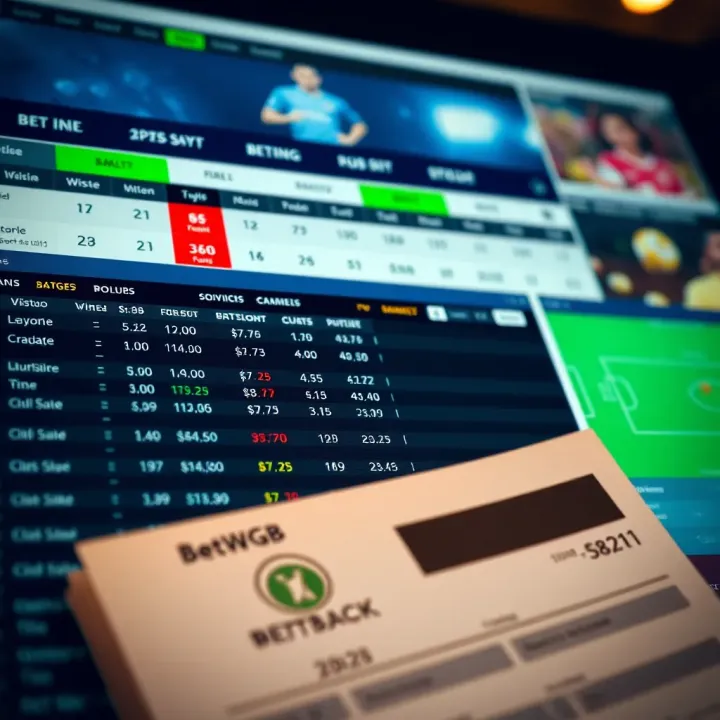
Want to withdraw your BetWGB winnings in Nigeria smoothly? Learn safe steps, payment options like quick bank and USSD, plus tips for hassle-free cashout 💸📲
Based on 13 reviews